Next week, one of the most extraordinary cultural events on the planet begins in the coastal city of Gangneung. The Gangneung Danoje Festival is not your typical summer celebration — it's a living, breathing 1,000-year-old tradition that has been performed without interruption for over a millennium. In 2005, UNESCO recognized it as an Intangible Cultural Heritage of Humanity, placing it alongside the world's most precious cultural treasures.
The 2026 Gangneung Danoje Festival runs from June 15 (Sunday) to June 22 (Sunday) — eight days of programming along the Namdaecheon River in Gangneung, Gangwon Province. This year's theme is "Pullini, Danoda" (풀리니, 단오다), meaning "It's unwinding — it's Dano." The concept invites visitors to release their worries and burdens through traditional rituals: washing away misfortune in changpo water, releasing grievances through the ancient gut ceremony, and allowing the mind and relationships to naturally unwind through the healing power of Dano traditions. Visit Seoul
If you're looking for the Korean festival experience that goes deepest — the one that connects you most authentically to what Korean culture has been for centuries — this is it. Over 500,000 visitors attend every year, making it one of Korea's most significant cultural tourism festivals. And unlike many "traditional" events that feel staged or museumlike, Gangneung Danoje is genuinely alive — the rituals, performances, and community spirit are the real thing, carried forward by people who have inherited these traditions through generations. Visit Seoul
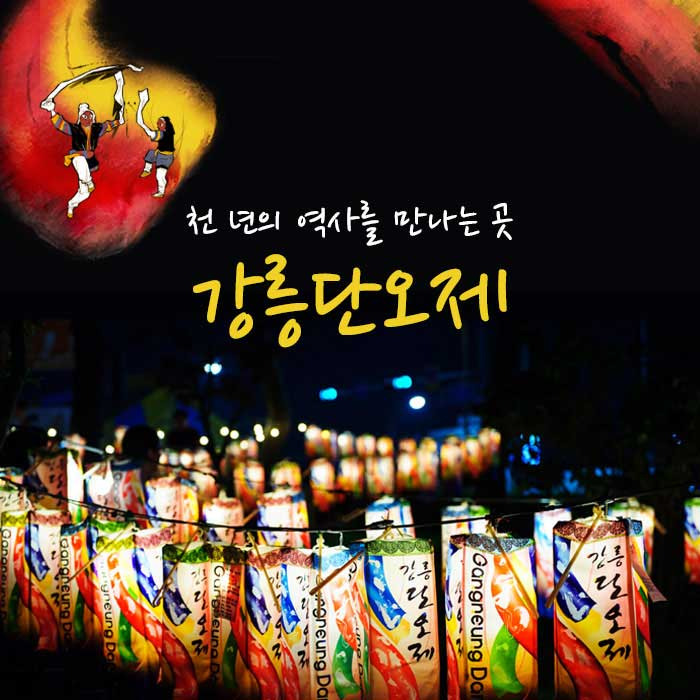
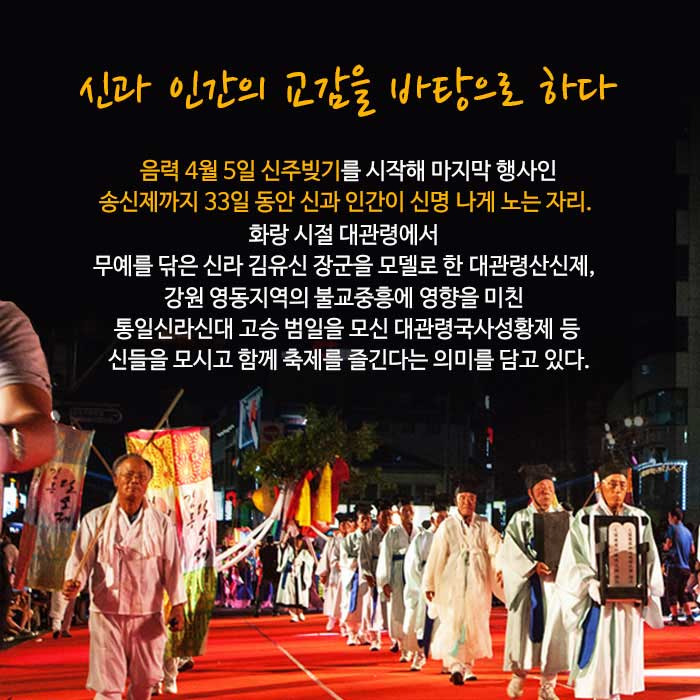
📷 Photo source : Korea Tourism Organization (www.visitkorea.or.kr)
📅 2026 Festival Dates & Essential Information
The festival runs June 15 through June 22 — a full eight days of programming across 13 categories with 71 individual programs. The theme "Pullini, Danoda" reexamines the cultural value and community spirit of this thousand-year tradition. Visit Seoul
The heart of the festival is the Namdaecheon River area in central Gangneung. The festival grounds stretch along the riverbank, encompassing traditional performance stages, hands-on experience zones, the famous nanjang (traditional open-air market), a night market, and food stalls. Admission to the festival grounds is free, and most experience programs are either free or available for a small fee.
Operating hours run from 11AM to 10PM daily. The official website is danojefestival.or.kr. With the festival starting exactly one week from today (June 8), now is the perfect time to plan your visit.
🌟 Why Gangneung Danoje is Unlike Any Other Festival
To understand why this festival matters, you need to understand what it actually is — because calling it a "festival" doesn't quite capture the full picture.
Gangneung Danoje is a living cultural ceremony that has been performed continuously for over 1,000 years. It's not a recreation or a reenactment — the rituals, music, dances, and community practices you'll witness are the actual traditions, passed down through unbroken chains of practitioners across dozens of generations. UNESCO recognized this in 2005, making it one of the first Korean traditions to receive Intangible Cultural Heritage status.
What does this mean for you as a visitor? It means that when you watch the shamanic gut ceremony, you're seeing a spiritual practice that Korean communities have performed in this exact location for a millennium. When you watch the silent mask play, you're seeing the same characters — the nobleman, the maiden, the mischief-makers — that Korean audiences have laughed at for centuries. Korean palaces and museums show you what Korean culture looked like. Gangneung Danoje shows you what Korean culture feels like, right now, still alive and still meaningful.
For international visitors especially, this is an incredibly rare opportunity. Most ancient cultural traditions around the world exist only in textbooks or behind glass cases. At Gangneung Danoje, you don't observe tradition — you walk into it, participate in it, and become part of its living history.
🎪 Key Programs You Shouldn't Miss
The 2026 festival features 13 program categories with 71 individual events, offering visitors an extraordinarily diverse range of things to see and do. Here are the essential highlights. Visit Seoul
🙏 Traditional Rituals & Gut Ceremonies
Major cultural heritage events include Sinju Bitgi (sacred liquor brewing), Daegwallyeong Sansinje (mountain spirit ritual), Daegwallyeong Guksaseongwhangje (guardian deity ceremony), Yeongsin Haengcha (welcoming procession), Danoje Gut (shamanic ceremony), and Songshinje (farewell ritual). Visit Seoul
These ceremonies form the spiritual backbone of the entire festival. The Yeongsin Haengcha on the opening day is particularly spectacular — hundreds of participants dressed in traditional ceremonial garments process through the streets of Gangneung, carrying sacred objects and performing rituals to welcome the mountain spirits into the festival grounds. The Danoje Gut ceremonies, performed by hereditary shamans, are mesmerizing combinations of chanting, dancing, drumming, and spiritual invocation that have been performed in essentially the same way for over a thousand years. Even if you don't understand the words, the raw emotional power of these ceremonies transcends language.
🎭 Gwanno Mask Play (관노가면극)
This is Korea's only surviving silent traditional mask play. Originally performed by government slaves (gwanno) during the Joseon Dynasty, the entire story is told through dance and physical expression alone — no dialogue whatsoever. TRIP.COM
The play features five acts with unforgettable characters: the nobleman Yangban-gwangdae, the beautiful maiden Somae-gaksi, the troublemaking Sisiddakdaki twins, and the wild Jangja-mari figures. The story involves love, jealousy, conflict, and ultimately reconciliation — universal themes expressed entirely through movement, masks, and music. Because there are no words, international visitors can follow and enjoy the performance just as easily as Korean audiences. The final act, where all characters and the entire audience join together in a communal dance of harmony, is genuinely moving.

🤼 Ssireum Wrestling & Swing Competition
Traditional folk game events include ssireum (wrestling) tournaments, geune (swing) competitions, tuho (arrow throwing), yut nori (board game), and juldarigi (tug of war) — activities designed for participation by visitors of all ages. Visit Seoul
Ssireum is Korean traditional wrestling — two competitors grab each other's satba (cloth band) and attempt to bring their opponent to the ground on a circular sand pit. National-level competitors travel to Gangneung for this tournament, and the matches are thrilling to watch. The geune (traditional swing) competition features participants in traditional hanbok soaring impossibly high on enormous wooden swings — the visual of someone in flowing traditional garments arcing against the sky is one of the most photographed moments of the entire festival.
🎋 Hands-On Experience Programs
What elevates Gangneung Danoje from a spectator event to a truly participatory festival are the experience programs that let you personally engage with Korean traditions.
The Dano Experience Village offers changpo hair washing, surichwi rice cake tasting, Dano fan painting, trying on traditional Dano costumes, traditional tea ceremonies, and Dano badge making. Visit Seoul
Changpo hair washing is the single most iconic Dano tradition and one of the festival's most popular experiences. Changpo is an aromatic plant that Koreans have used for centuries — the tradition holds that washing your hair in changpo-infused water on Dano day washes away bad luck and makes your hair beautiful and healthy. Sitting by the river, dipping your hair into fragrant changpo water while surrounded by a thousand-year-old festival is an experience that exists nowhere else on earth.
Surichwi rice cake tasting introduces you to Dano's signature food — bright green rice cakes made with surichwi, a wild mountain herb. The chewy texture and subtle fragrance are unlike any rice cake you've tried before. Free tastings are offered throughout the festival.
Dano fan painting lets you create your own traditional Korean fan with your personal design. The custom of giving fans as gifts on Dano dates back centuries — the meaning behind the gift is a wish for the recipient to stay cool and comfortable through the hot summer ahead. Your painted fan becomes a unique, handmade souvenir.
Modern additions like AR (augmented reality) games are also integrated into the festival experience, creating an interesting blend of ancient tradition and contemporary technology that appeals to younger visitors. IVisitKorea
🌙 Nanjang Market & Night Market
The festival features one of the largest nanjang (traditional open-air markets) in the entire country. Hundreds of vendor stalls stretch along the Namdaecheon River, selling everything from traditional foods and handmade crafts to accessories and carnival games. Walking through the nanjang feels like stepping into a time portal — the sights, sounds, and smells of a traditional Korean market day, alive and bustling just as they would have been centuries ago. Jeonju
The night market comes alive after sunset with an energy all its own. Gangneung's famous local foods fill the stalls — chodang sundubu (silky soft tofu), gamja ongsimi (potato dough soup), gamjajeon (potato pancakes), memil jeonbyeong (buckwheat crepes), and twisted kkwabaegi donuts. Prices are very reasonable, and the variety is enormous. Coming to the festival hungry is strongly recommended — you'll want to try everything.
🎆 Fireworks & Special Events
Additional events include the Dano Changpo Water Battle, fireworks show, Welcome Stamp Rally, and photo zone events. Visit Seoul
The closing night fireworks display on June 22 is the festival's grand finale. Starting at 9PM, fireworks light up the sky above the Namdaecheon River as hundreds of thousands of visitors gathered along the riverbanks watch in awe. It's the perfect emotional conclusion to eight days of cultural celebration. Arrive by 7PM to secure a good viewing spot — the best positions along the river fill up early.
Throughout the entire festival period, eight village nongak (traditional farmer's music and dance) teams from across the Gangneung region take turns performing daily at the Arimadang stage along the Namdaecheon. These performances showcase the UNESCO-recognized Gangneung Nongak tradition — village residents personally performing the energetic drumming, dancing, and acrobatics that their communities have maintained for generations. The raw, joyful energy of these performances is infectious. TRIP.COM
🚆 Getting to Gangneung
KTX (recommended): Seoul Cheongnyangni Station to Gangneung Station takes approximately 2 hours for about 27,600 won. The KTX Gangneung line, built for the 2018 PyeongChang Winter Olympics, makes Gangneung one of the most accessible festival destinations from Seoul.
Express Bus: Dong Seoul Terminal to Gangneung takes approximately 2.5-3 hours for about 17,200 won.
From Gangneung Station to the Namdaecheon festival grounds, it's about 10 minutes by taxi (approximately 5,000 won) or 15 minutes by city bus. Festival shuttle buses may operate during the event — check the official website for details.
Weekend KTX tickets sell out quickly during the festival period. Book in advance, especially if you plan to attend the closing day fireworks on June 22 — return trains that evening fill up fast.
🏨 Where to Stay
Gangneung offers a good range of accommodation for every budget.
Gangneung city center hotels and motels are closest to the Namdaecheon festival grounds. Expect 60,000-120,000 won per night. Being within walking distance of the festival makes evening visits effortless.
Gyeongpo Beach and Anmok Beach area accommodations let you combine the festival with Gangneung's famous beaches and coffee culture. A perfect daily routine: morning beach walk → Anmok Coffee Street → afternoon and evening at Danoje Festival. Slightly further from the festival grounds but well worth it for the complete Gangneung experience.
Day trip from Seoul is absolutely possible. Morning KTX arrives in Gangneung by mid-morning, giving you a full day at the festival before catching an evening train home.
Festival-period weekend accommodation fills quickly — if you're planning overnight stays, booking now (one week before the festival) is the right move.

🗺️ Festival + Gangneung Tourism Combined Itinerary
Gangneung is far too wonderful to visit just for the festival. Here's how to build a complete experience.
Morning: Start your day at Anmok Beach Coffee Street — grab an ocean-view coffee at one of Korea's most famous cafe districts. Walk along Gyeongpo Beach or rent a bicycle around Gyeongpo Lake.
Lunch: Head to Chodang Sundubu Village for Gangneung's signature silky soft tofu lunch — made with East Sea seawater for a uniquely delicate flavor.
Afternoon to Evening: Dive into the Gangneung Danoje Festival! Participate in changpo hair washing and surichwi rice cake tasting. Watch the Gwanno Mask Play. Browse the nanjang market. Eat your way through the night market.
Night: Catch the evening performances at the Arimadang stage. On the final night (June 22), stay for the spectacular fireworks finale.
For a second day, visit Ojukheon (the birthplace of the woman on Korea's 50,000 won banknote), explore the stunning Jeongdongjin sunrise spot, or take a trip to Jumunjin Port for the freshest seafood in Gangwon Province.
👉 Read more: [Gangneung Day Trip Complete Guide]
🌊 Gangneung Day Trip Complete Guide | Anmok Beach · Coffee Street · Gyeongpo Beach · Ojukheon 2026!
☕ Ocean + Coffee + Spring Breeze = Gangneung!Just 2 hours from Seoul by KTX — the perfect day trip destination! 🌊 2026~2027 has been officially designated as the "Visit Gangneung Year!" With expanded tourism content, experience programs, and discoun
visit-korea-guide.tistory.com
💡 Essential Visitor Tips
The festival runs outdoors through mid-June, so weather preparation matters. Daytime temperatures are warm (around 22-27°C) but evenings along the river can get cool — bring a light jacket or cardigan. June rain showers are possible, so having a compact umbrella in your bag is wise.
Comfortable walking shoes are essential. The festival grounds stretch a considerable distance along the Namdaecheon River, and you'll be on your feet for hours between experience zones, performance stages, and market stalls. For the changpo hair washing experience, bringing a small towel is practical.
Cash is important here — bring 30,000 to 50,000 won. The nanjang market and night food stalls predominantly accept cash only. Festival food is generally very affordable, but the variety is so tempting that spending adds up as you try "just one more thing."
Weekday visits offer the most relaxed atmosphere with shorter lines at experience zones and easier navigation through the market. Weekends are significantly more crowded but deliver maximum festival energy. The closing day (June 22) is the busiest due to fireworks — arrive early in the afternoon to fully enjoy both the festival and the finale.
One final note for international visitors: the Gangneung Danoje Festival is one of the rare Korean events where you can experience genuine, unperformed Korean tradition in real time. The ceremonies, music, and community gatherings happening around you are not staged for tourists — they are the real, living continuation of practices that have defined this community for over a thousand years. Approach with curiosity and respect, and you'll receive an experience that no museum, documentary, or textbook can replicate.
📌 Plan Your Visit with These Guides!
👉 [Gangneung Day Trip Complete Guide]
🌊 Gangneung Day Trip Complete Guide | Anmok Beach · Coffee Street · Gyeongpo Beach · Ojukheon 2026!
☕ Ocean + Coffee + Spring Breeze = Gangneung!Just 2 hours from Seoul by KTX — the perfect day trip destination! 🌊 2026~2027 has been officially designated as the "Visit Gangneung Year!" With expanded tourism content, experience programs, and discoun
visit-korea-guide.tistory.com
👉 [2026 Korea Summer Festival Complete Guide]
🎆 2026 Korea Summer Festival Complete Guide | Boryeong Mud · Daegu Chimaek · Busan Sea Festival!
Summer in Korea isn't just about beaches and barbecue — it's festival season, and the entire country comes alive with events that draw millions of visitors every year. From diving into massive mud pools at the world-famous Boryeong Mud Festival to devour
visit-korea-guide.tistory.com
👉 [Korea Transportation Complete Guide]
🚇 Korea Transportation Complete Guide | T-money · Subway · KTX · Bus · Taxi 2026!
🌟 Korean Public Transport is One of the Best in the World!The subway is the most beloved form of transportation among foreign visitors thanks to its punctuality and clean environment. Korea's ultra-fast KTX trains, convenient subway network, and easy T-
visit-korea-guide.tistory.com
👉 [Korean Food Complete Guide]
🍜 Korean Food Complete Guide | Must-Try Korean Dishes for Foreign Visitors 2026!
🌟 Eating Korean Food is More Than a Meal — It's a Cultural Experience!Riding the global wave of K-dramas and K-pop, Korean food has firmly established itself as a worldwide trend! Traditional dishes like bibimbap, bulgogi, and kimchi — as well as ev
visit-korea-guide.tistory.com
👉 [Korean Temple Tour & Templestay Guide]
Korean Temple Tour & Temple Stay Complete Guide | Bulguksa · Haeinsa · Jogyesa 2026!
🌟 Escape the Noise of Daily Life — Find Inner Peace in Korea's Ancient Temples!Korean temples are not just tourist attractions! 🙏 They are living repositories of 1,700 years of Korean Buddhist history! Deep in the mountains, surrounded by ancient f
visit-korea-guide.tistory.com


